
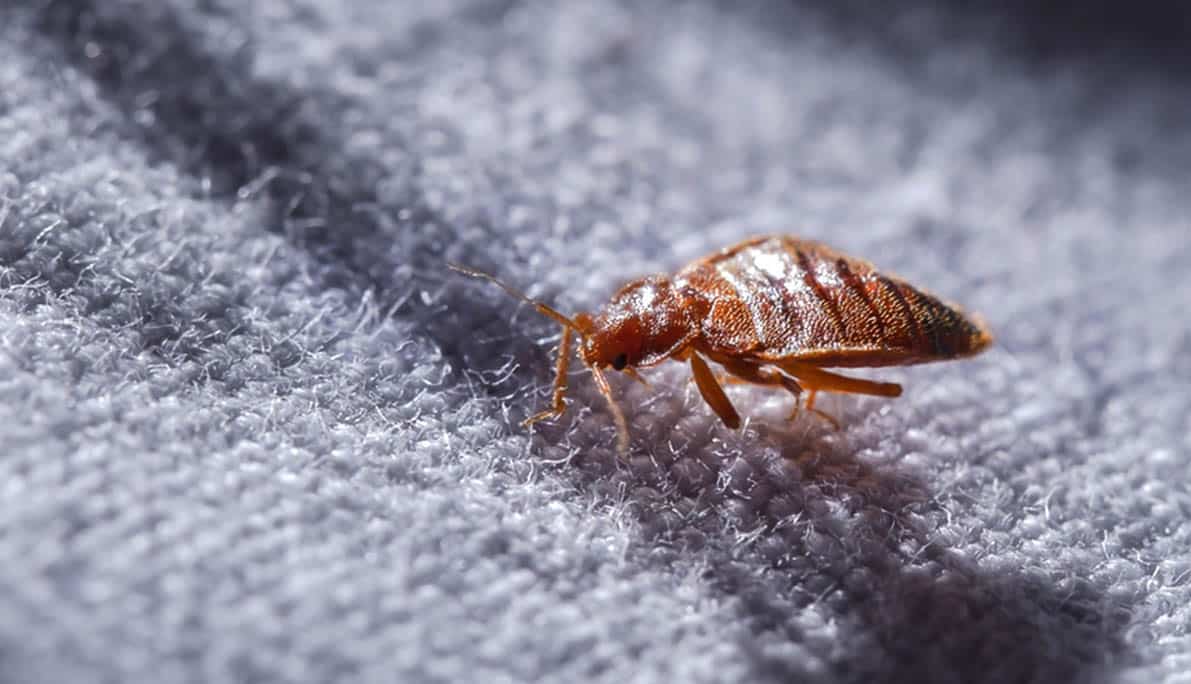
Bed bugs are small, brownish insects that feed on the blood of humans and animals
Although they are not known to transmit diseases, they are considered a public health pest because of the itchy and irritating bites they leave behind. Bed bugs are notorious for infesting homes and hotels, and can be difficult to get rid of once they have established themselves.
In this article, we’ll explore where bed bugs come from and how they end up in our homes, as well as some tips for preventing and treating bed bug infestations.
What Are Bed Bugs?
Before we dive into where bed bugs come from, let’s take a closer look at what they are. Bed bugs are small, flat, oval-shaped insects that are about the size of an apple seed. They are reddish-brown in color and have six legs, and are usually found hiding in cracks and crevices in and around beds, furniture, and other areas where people sleep or spend time. Bed bugs feed on the blood of humans and animals, typically at night, and can leave behind itchy, red bites that can be mistaken for other insect bites or rashes.

Where Do Bed Bugs Come From?
Bed bugs are not a sign of poor hygiene or dirty living conditions. Instead, they are often brought into homes and hotels on luggage, clothing, or other personal items that have come into contact with infested areas. Bed bugs can also hitch a ride on used furniture or mattresses, or through shared laundry facilities or public transportation. Bed bugs are excellent hitchhikers and can move quickly from one location to another, making them difficult to contain and control.
Common Places to Find Bed Bugs
Now that we know how bed bugs are introduced into our homes and hotels, let’s take a look at some common places where they can be found:
Beds and Bedding
Bed bugs are most commonly found in and around beds and bedding, hence their name. They can hide in the seams and folds of mattresses, box springs, bed frames, and headboards, as well as in pillows, sheets, and blankets. Bed bugs are attracted to the carbon dioxide and warmth that our bodies produce when we sleep, making our beds and bedding the perfect hiding spot.
Furniture
Bed bugs can also hide in furniture, particularly upholstered furniture like couches and chairs. They can hide in the seams, cushions, and frames of furniture, and can be difficult to spot without a thorough inspection. Bed bugs can also hide in wooden furniture, particularly if it has cracks or crevices where they can hide.
Luggage and Clothing
As we mentioned earlier, bed bugs can be brought into homes and hotels on luggage, clothing, and other personal items. They can hide in the seams and folds of luggage, as well as in the pockets and cuffs of clothing. Bed bugs can also be found in secondhand clothing or in clothing that has been stored in infested areas.
Public Transportation
Bed bugs can also be found on public transportation, particularly on buses and trains. They can hide in the seats, carpets, and luggage compartments of public transportation vehicles, and can be easily spread from one location to another.
How to Prevent and Treat Bed Bug Infestations
Now that we know where bed bugs come from and where they can be found, let’s take a look at some tips for preventing and treating bed bug infestations:
Prevention
- Inspect secondhand furniture and clothing for signs of bed bugs before bringing them into your home.
- Use protective covers on mattresses and box springs to prevent bed bugs from infesting them.
- Keep your home clean and clutter-free to reduce hiding spots for bed bugs.
- When traveling inspect hotel rooms for signs of bed bugs before unpacking your luggage and settling in.
- Seal cracks and crevices in your home to prevent bed bugs from entering.
- Consider using bed bug interceptors or traps to monitor for bed bugs.
Treatment
- Hire a professional pest control company to treat your home for bed bugs.
- Wash bedding, clothing, and other washable items in hot water and dry them on high heat.
- Use a vacuum with a HEPA filter to vacuum up bed bugs and their eggs.
- Use pesticides and insecticides according to their label instructions to treat infested areas.
- Consider using heat treatments or freezing treatments to kill bed bugs and their eggs.
Conclusion
Bed bugs are a common household pest that can be difficult to get rid of once they have established themselves. By understanding where bed bugs come from and where they can be found, as well as some tips for preventing and treating infestations, you can help protect your home from these unwanted guests.
FAQs
Q1. Are bed bugs only found in beds?
No, bed bugs can be found in a variety of places, including furniture, clothing, and public transportation.
Q2. Do bed bugs transmit diseases?
No, bed bugs are not known to transmit diseases, but their bites can be itchy and irritating.
Q3. Can bed bugs fly or jump?
No, bed bugs cannot fly or jump, but they can move quickly from one location to another.
Q4. Can I get rid of bed bugs on my own?
While DIY bed bug treatments can be effective, it’s often best to hire a professional pest control company to treat your home for bed bugs.
Q5. How long do bed bugs live?
Bed bugs can live for several months to a year or more, depending on environmental conditions and availability of food (blood).
Learn more about bed bugs by checking out our 7 Interesting Facts About Bed Bugs.